
Contact Us
Contact the Fecal Microbiota Transplantation and Therapeutics Program
617-355-2962
Fax
617-730-0495


Fecal microbiota transplantation (FMT) is a procedure that delivers healthy human donor stool to a child via colonoscopy, enema, nasogastric (NG) tube, or in capsule form (popularly called “poop pills”). It may be prescribed for debilitating gasterointestinal infections, such as Clostridium difficile (C. diff), that keep recurring despite antibiotic therapy.
C. diff is a serious infection — one that causes debilitating diarrhea and in the U.S., in 2011 alone, C. diff was responsible for 29,000 deaths in adults. Treating C. diff begins with administering antibiotics; however, recurrence is common. By the third episode of severe C. diff, it is unlikely antibiotics will cure the infection; so, your child’s doctor may consider FMT as an option.
Based on successful treatment of C. diff infections, FMT is now being looked at for a wide range of conditions. However, it’s still considered an experimental treatment, and shouldn’t be attempted without medical supervision.
Not all children are good candidates for FMT. The procedure carries some risk, particularly if your child is taking immunosuppressant medication or has had a recent bone marrow transplant.
The GI tract has an “ecosystem” of thousands of bacteria and other organisms that help keep the body healthy. When your child is given an antibiotic, this ecosystem is disrupted, allowing the growth of disease-causing bacteria, such as C. diff.
With a fecal transplant, “good” microorganisms from the donor stool are infused into the patient. Healthy bacteria begin to grow and prevent C. diff from recurring.
Stool donors are rigorously screened and stool samples are extensively tested before being used for FMT.
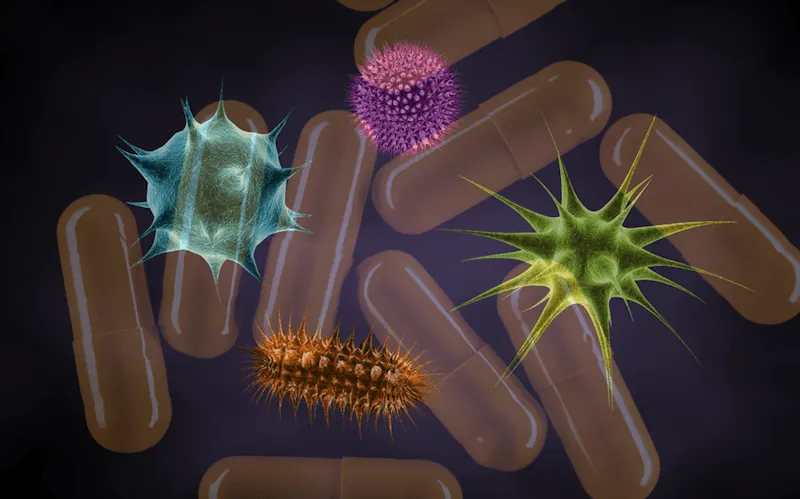
Could an exciting potential treatment for IBD be found in the gastrointestinal tract? That’s the theory behind a pair of new studies investigating the potential role of FMT in the treatment of Crohn’s disease and ulcerative colitis in children.
The long-term results of FMT are unknown, so you’ll need to sign an informed-consent form on behalf of your child.
To prepare for the transplant, your child should have an empty GI tract. This often means drinking only clear fluids and abstaining from eating for 24 hours before the procedure.
If your child has mild or moderate C. diff, they may also be asked to drink a liquid to encourage a bowel movement; however, children with more severe infections will not follow this same protocol.
There are several different FMT techniques:
Recent studies show how FMT can be beneficial to children who have specific GI conditions, such as Crohn’s disease or ulcerative colitis. We are also starting to test FMT for peanut allergy, based on evidence that transferring “good” bacteria can rebalance the immune system.
FMT is a hot topic among researchers and clinicians. ClinicalTrials.gov reveals some 170 studies on FMT, with applications as diverse as type 2 diabetes, cirrhosis, and HIV. And, in a clinical trial at Boston Children’s Hospital, researchers are looking at whether giving peanut-allergic people the “good” bacteria from a non-allergic person (in the form of “poop pills”) prevents allergic reactions.