

Multiple endocrine neoplasia (MEN) is an inherited genetic multiple endocrine neoplasia that causes tumors to grow in several of the body’s hormone-producing, endocrine organs. MEN syndromes are traditionally divided into two forms: type 1 and type 2.
MEN type 1 (MEN1) typically involves tumors of the parathyroid glands, pituitary gland, and pancreas. MEN type 2 (MEN2) is more commonly associated with medullary thyroid cancer and pheochromocytomas. These tumors can be benign or malignant.
Image
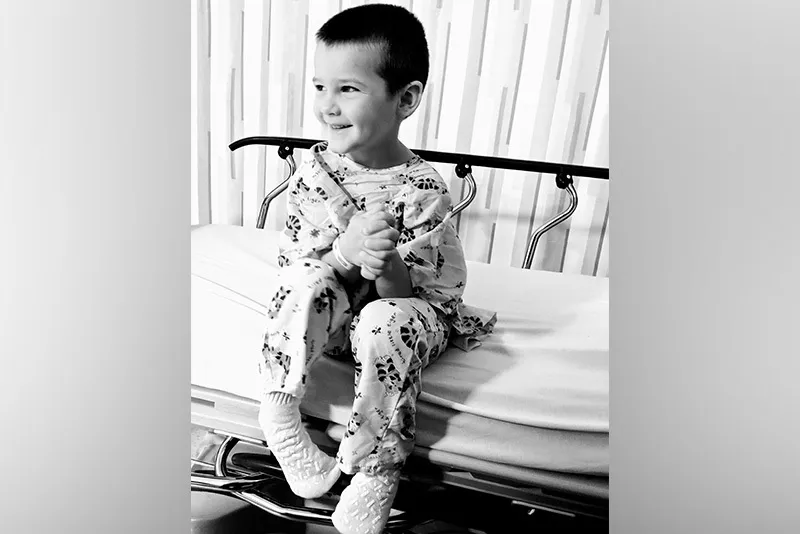
Meet Curtis
His family has a history of multiple endocrine neoplasia, a group of rare disorders that can make them more likely to develop tumors in the endocrine glands, including the thyroid.
What are the symptoms of multiple endocrine neoplasia?
The symptoms of multiple endocrine neoplasia (MEN) may vary from child to child and depend on the type of the disease. Symptoms might mimic other, more common ailments. Sometimes your child may not experience symptoms but MEN type 1 or 2 may be suggested because of a family history.
Some symptoms of MEN1 may include:
Elevated calcium levels
Abdominal pain, vomiting, and weight changes due to pancreatic islet cell tumors
Headaches, visual disturbances, and problems with fertility from pituitary gland tumors
Some symptoms of MEN2 might include:
Elevated calcium levels
Kidney stones from overactive parathyroid glands.
High blood pressure, headaches, or sweating
Lump or swelling in the neck
Difficulty breathing or swallowing
Because many of these symptoms can also point to other conditions, it’s important to have your child evaluated by a qualified medical professional right away.
What causes MEN?
Both MEN1 and MEN2 are inherited disorders, meaning that they are usually the result of an abnormal gene that is passed down in families. Occasionally the conditions can arise from a new gene abnormality that develops for unknown reasons in a patient without a family history of these conditions. In general, MEN1 results from abnormalities in the MEN1 gene, while MEN2 can arise from abnormalities in the RET gene.
Diagnosis & Treatments
How is multiple endocrine neoplasia diagnosed?
The first step in treating your child is forming an accurate and complete diagnosis. Multiple endocrine neoplasia (MEN) is sometimes diagnosed if your child has developed cancers known to occur with MEN. If there is a family history of these conditions, your child may be tested for them before they develop tumors or other associated problems. Your child’s physician may order a number of different tests including:
Physical exam and complete medical history
Genetic tests to determine genetic alterations in the MEN1 or RET gene
There may be other diagnostic tests that your doctor will discuss with you depending on your child's individual situation. After we complete all necessary tests, our experts meet to review and discuss what they have learned about your child's condition. Then, we will meet with you and your family to discuss the results and outline the best possible treatment options.
How is multiple endocrine neoplasia treated?
Treatment for your child's MEN1 or MEN2 depends on the type of condition and whether or not tumors have developed. Your child’s doctor may recommend:
Screening for tumors related to your child’s condition
Surgery to prevent the development of medullary thyroid cancer in patients with MEN2
Different groups of chemotherapy drugs work in different ways. Your child may receive chemotherapy orally, intramuscularly, intravenously or intrathecally as a direct injection into the spinal column through a needle. Often, a combination of chemotherapy drugs is used.
While chemotherapy can be quite effective in treating certain cancers, the drugs cannot differentiate normal healthy cells from cancer cells. As a result, there can be adverse side effects during treatment. Being able to anticipate these side effects can help the care team, child, and family prepare and, in some cases, prevent these complications from occurring, if at all possible.
What is the long-term outlook for children with multiple endocrine neoplasia?
Children with MEN who had been treated for a tumor should visit a survivorship clinic yearly. Through the David B. Perini Jr. Quality of Life Clinic, our cancer survivorship clinic, childhood cancer survivors receive a comprehensive follow-up evaluation from their cancer care team. In addition to meeting with your pediatric oncologists, your child may see one of our endocrinologists, cardiologists, neurologists, neuro-psychologists, or alternative/complementary therapy specialists. We also offer patient and family education, psychosocial assessment, genetic counseling, reproductive counseling, and opportunities to speak with other childhood cancer survivors.
Children who are treated through our Endocrine-Oncology Program benefit from the work of our basic and clinical researchers, who are striving to understand the scientific causes of endocrine cancers. Their work can result in the introduction of new treatment options. We are a world leader in translational research, bringing laboratory advances to the bedside and into doctors’ offices as quickly as possible.
Clinical trials
Research studies evaluating new treatment approaches are a major offering at Dana-Farber/Boston Children’s. For many children with rare or hard-to-treat conditions, clinical trials provide new options.
In addition to launching our own clinical trials, we also offer trials available through collaborative groups such as the Children's Oncology Group (COG). If your child has a progressive or recurrent tumor, she may be eligible for a number of experimental therapies available through these groups or from one of our independent clinical investigators.
The Division of Genetics and Genomics provides comprehensive clinical care including diagnostics, genetic counseling, and individualized management in concert with other specialties for people of all ages.
The Pediatric Cancer Genetic Risk Program provides cancer risk assessment, comprehensive recommendations for managing cancer risk, and psychosocial support for families affected by hereditary cancer.