Peter Raffalli, MD
Neurologist, Department of Neurology; Director, Bullying And Cyberbullying Prevention Advocacy Collaborative (BACPAC)
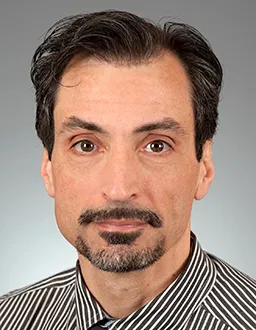
Peter Raffalli, MD
Neurologist, Department of Neurology; Director, Bullying And Cyberbullying Prevention Advocacy Collaborative (BACPAC)
Medical Services
Undergraduate School
Medical School
Internship
Residency
Fellowship
My Area of Excellence is Clinical Expertise and Innovation. I devote 80% of my time to clinical care, 5% to investigation, 10% to teaching and education, and 5% to significant supporting activities.
I am a full-time attending child neurologist at Boston Children’s Hospital, where I care for children at the Hospital’s main campus as well as its satellite clinics. Currently, my primary focus is on outpatient pediatric neurological clinical care. My clinical responsibilities include 5 days per week of direct patient care. I provide outpatient consultation and ongoing follow-up care for affected children during 4 full-day outpatient clinics per week and one session per week in the resident clinic.
I contribute my clinical knowledge and expertise in clinical investigations of autism and other neuropsychiatric disorders, such as 16p11.2 deletion syndrome, as well as the epilepsy and the connection between ADHD and bullying. Since 2004, I have contributed to 9 publications, either as co-investigator and author or as a collaborator providing data from patients seen in my clinical practice.
My teaching activities include serving as faculty attending for a weekly general child neurology clinic at the main campus of Children’s, supervising and teaching the pediatric neurology residents, general pediatric residents, and medical students seeing patients.
In summary, my clinical experience informs my work in developing innovative programs to provide the best possible care for children. My short and long term goals are to continue building relationships with schools and parents through the BACPAC program to address the bullying issue by creating awareness, providing tools and resources, and promoting understanding of the role of behavioral disorders in bullying situations.
I have subspecialty interest in peer victimization (bullying) in the pediatric neurology population, and I am Founder and Director of the Bullying and Cyberbullying Prevention and Advocacy Collaborative (BACPAC) at Boston Children’s Hospital. I am also the pediatric associate to the Massachusetts Aggression Reduction Center (MARC) at Bridgewater State College, which conducts research in the area of peer victimization and provides information and training to schools on the topic of bullying/cyber bullying detection, prevention and intervention.