Daniel Bauer, MD, PhD
Director, Gene Therapy Program; Attending Physician, Dana-Farber/Boston Children's Cancer and Blood Disorders Center
Donald S. Fredrickson, MD Associate Professor of Pediatrics, Harvard Medical School
Image
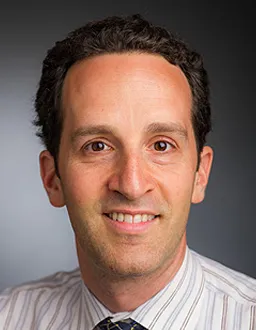
Daniel Bauer, MD, PhD
Director, Gene Therapy Program; Attending Physician, Dana-Farber/Boston Children's Cancer and Blood Disorders Center
Donald S. Fredrickson, MD Associate Professor of Pediatrics, Harvard Medical School
Medical Services
Languages
English
Education
Medical School
University of Pennsylvania
Philadelphia
PA
Internship
Boston Children's Hospital
Boston
MA
Residency
Pediatrics
Boston Children's Hospital
Boston
MA
Fellowship
Pediatric Hematology/Oncology
Boston Children's Hospital/Dana-Farber Cancer Institute
Boston
MA
Media
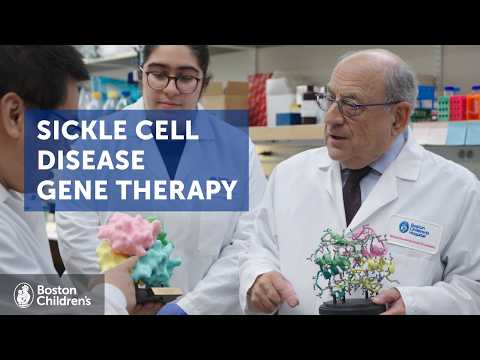
Research
Gene therapy for sickle cell disease: The journey to a new treatment
Certifications
American Board of Pediatrics (General)
American Board of Pediatrics (Hematology-Oncology)
Publications
Direct delivery of Cas-embedded cytosine base editors as ribonucleoprotein complexes for efficient and accurate editing of clinically relevant targets. View Abstract
Gene editing without ex vivo culture evades genotoxicity in human hematopoietic stem cells. View Abstract
BCL11A +58/+55 enhancer-editing facilitates HSPC engraftment and HbF induction in rhesus macaques conditioned with a CD45 antibody-drug conjugate. View Abstract
Genetic medicine gestating for a-thalassemia. View Abstract
CRISPR-CLEAR: Nucleotide-Resolution Mapping of Regulatory Elements via Allelic Readout of Tiled Base Editing. View Abstract
Scalable assessment of genome editing off-targets associated with genetic variants. View Abstract
Enhancing prime editing in hematopoietic stem and progenitor cells by modulating nucleotide metabolism. View Abstract
Improving prime editing with an endogenous small RNA-binding protein. View Abstract
Ex vivo culture resting time impacts transplantation outcomes of genome-edited human hematopoietic stem and progenitor cells in xenograft mouse models. View Abstract
Direct delivery of stabilized Cas-embedded base editors achieves efficient and accurate editing of clinically relevant targets. View Abstract
A viable alternative for editor delivery. View Abstract
Epitope editing enables targeted immunotherapy of acute myeloid leukaemia. View Abstract
Dictys: dynamic gene regulatory network dissects developmental continuum with single-cell multiomics. View Abstract
RUNX1 mutations mitigate quiescence to promote transformation of hematopoietic progenitors in Fanconi anemia. View Abstract
Swapping the serotype: A novel helper-dependent adenoviral vector platform for in vivo HSC gene therapy. View Abstract
Gene editing without ex vivo culture evades genotoxicity in human hematopoietic stem cells. View Abstract
Gene correction for sickle cell disease hits its prime. View Abstract
Pre-existing immunity does not impair the engraftment of CRISPR-Cas9-edited cells in rhesus macaques conditioned with busulfan or radiation. View Abstract
Molecular Basis and Genetic Modifiers of Thalassemia. View Abstract
Assessing and advancing the safety of CRISPR-Cas tools: from DNA to RNA editing. View Abstract
Therapeutic adenine base editing of human hematopoietic stem cells. View Abstract
Base Editing of Human Hematopoietic Stem Cells. View Abstract
Human genetic diversity alters off-target outcomes of therapeutic gene editing. View Abstract
Whole genome sequencing identifies structural variants contributing to hematologic traits in the NHLBI TOPMed program. View Abstract
Pervasive donor DNA integration defies precision gene editing of hematopoietic stem cells. View Abstract
Optimization of Nuclear Localization Signal Composition Improves CRISPR-Cas12a Editing Rates in Human Primary Cells. View Abstract
Development of a double shmiR lentivirus effectively targeting both BCL11A and ZNF410 for enhanced induction of fetal hemoglobin to treat ß-hemoglobinopathies. View Abstract
DNAJB1-PRKACA in HEK293T cells induces LINC00473 overexpression that depends on PKA signaling. View Abstract
Clonal hematopoiesis in sickle cell disease. View Abstract
Editing outside the body: Ex vivo gene-modification for ß-hemoglobinopathy cellular therapy. View Abstract
Motif-Raptor: a cell type-specific and transcription factor centric approach for post-GWAS prioritization of causal regulators. View Abstract
Targeting leukemia-specific dependence on the de novo purine synthesis pathway. View Abstract
Whole-genome sequencing association analysis of quantitative red blood cell phenotypes: The NHLBI TOPMed program. View Abstract
Molecular analysis of the erythroid phenotype of a patient with BCL11A haploinsufficiency. View Abstract
Whole-genome sequencing association analysis of quantitative red blood cell phenotypes: The NHLBI TOPMed program. View Abstract
ZNF410 represses fetal globin by singular control of CHD4. View Abstract
Author Correction: Transcription factor competition at the ?-globin promoters controls hemoglobin switching. View Abstract
Editing GWAS: experimental approaches to dissect and exploit disease-associated genetic variation. View Abstract
Transcription factor competition at the ?-globin promoters controls hemoglobin switching. View Abstract
Dissecting ELANE neutropenia pathogenicity by human HSC gene editing. View Abstract
BCL11A enhancer-edited hematopoietic stem cells persist in rhesus monkeys without toxicity. View Abstract
Common variants in signaling transcription-factor-binding sites drive phenotypic variability in red blood cell traits. View Abstract
Author Correction: Phage-assisted evolution of an adenine base editor with improved Cas domain compatibility and activity. View Abstract
Small-Molecule PAPD5 Inhibitors Restore Telomerase Activity in Patient Stem Cells. View Abstract
Phage-assisted evolution of an adenine base editor with improved Cas domain compatibility and activity. View Abstract
Therapeutic base editing of human hematopoietic stem cells. View Abstract
End points for sickle cell disease clinical trials: renal and cardiopulmonary, cure, and low-resource settings. View Abstract
Gene Editing ELANE in Human Hematopoietic Stem and Progenitor Cells Reveals Disease Mechanisms and Therapeutic Strategies for Severe Congenital Neutropenia. View Abstract
Genome editing of HBG1 and HBG2 to induce fetal hemoglobin. View Abstract
Production of foetal globin in adult monkeys. View Abstract
Rational targeting of a NuRD subcomplex guided by comprehensive in situ mutagenesis. View Abstract
Single-cell cloning of human T-cell lines reveals clonal variation in cell death responses to chemotherapeutics. View Abstract
DrugThatGene: integrative analysis to streamline the identification of druggable genes, pathways and protein complexes from CRISPR screens. View Abstract
Single-cell trajectories reconstruction, exploration and mapping of omics data with STREAM. View Abstract
Synthetic Lethality of Wnt Pathway Activation and Asparaginase in Drug-Resistant Acute Leukemias. View Abstract
CRISPR-suppressor scanning reveals a nonenzymatic role of LSD1 in AML. View Abstract
Highly efficient therapeutic gene editing of human hematopoietic stem cells. View Abstract
CRISPResso2 provides accurate and rapid genome editing sequence analysis. View Abstract
Editing aberrant splice sites efficiently restores ß-globin expression in ß-thalassemia. View Abstract
Getting Past HSC Security: Cyclosporine H Gives Lentiviruses an Entry Pass. View Abstract
CRISPR-SURF: discovering regulatory elements by deconvolution of CRISPR tiling screen data. View Abstract
FAM210B is an erythropoietin target and regulates erythroid heme synthesis by controlling mitochondrial iron import and ferrochelatase activity. View Abstract
Emerging Genetic Therapy for Sickle Cell Disease. View Abstract
CRISPRO: identification of functional protein coding sequences based on genome editing dense mutagenesis. View Abstract
An APOBEC3A-Cas9 base editor with minimized bystander and off-target activities. View Abstract
AmpUMI: design and analysis of unique molecular identifiers for deep amplicon sequencing. View Abstract
Genetic therapies for sickle cell disease. View Abstract
14q32 and let-7 microRNAs regulate transcriptional networks in fetal and adult human erythroblasts. View Abstract
Integrated design, execution, and analysis of arrayed and pooled CRISPR genome-editing experiments. View Abstract
Direct Promoter Repression by BCL11A Controls the Fetal to Adult Hemoglobin Switch. View Abstract
Genome-wide CRISPR-Cas9 Screen Identifies Leukemia-Specific Dependence on a Pre-mRNA Metabolic Pathway Regulated by DCPS. View Abstract
Growing and Genetically Manipulating Human Umbilical Cord Blood-Derived Erythroid Progenitor (HUDEP) Cell Lines. View Abstract
Recent progress in understanding and manipulating haemoglobin switching for the haemoglobinopathies. View Abstract
Curative approaches for sickle cell disease: A review of allogeneic and autologous strategies. View Abstract
Gene Therapy. View Abstract
Technical considerations for the use of CRISPR/Cas9 in hematology research. View Abstract
An erythroid-specific ATP2B4 enhancer mediates red blood cell hydration and malaria susceptibility. View Abstract
Quantitative assessment of timing, efficiency, specificity and genetic mosaicism of CRISPR/Cas9-mediated gene editing of hemoglobin beta gene in rhesus monkey embryos. View Abstract
Erythropoietin signaling regulates heme biosynthesis. View Abstract
Genome-wide association study of red blood cell traits in Hispanics/Latinos: The Hispanic Community Health Study/Study of Latinos. View Abstract
Functional interrogation of non-coding DNA through CRISPR genome editing. View Abstract
Variant-aware saturating mutagenesis using multiple Cas9 nucleases identifies regulatory elements at trait-associated loci. View Abstract
Strict in vivo specificity of the Bcl11a erythroid enhancer. View Abstract
Lineage-specific BCL11A knockdown circumvents toxicities and reverses sickle phenotype. View Abstract
Intensive treatment and survival outcomes in NUT midline carcinoma of the head and neck. View Abstract
Forward genetic screen of human transposase genomic rearrangements. View Abstract
Analyzing CRISPR genome-editing experiments with CRISPResso. View Abstract
Fetal haemoglobin in sickle-cell disease: from genetic epidemiology to new therapeutic strategies. View Abstract
A genome editing primer for the hematologist. View Abstract
Transcription factors LRF and BCL11A independently repress expression of fetal hemoglobin. View Abstract
Genetic treatment of a molecular disorder: gene therapy approaches to sickle cell disease. View Abstract
Hematopoietic stem cells develop in the absence of endothelial cadherin 5 expression. View Abstract
BCL11A enhancer dissection by Cas9-mediated in situ saturating mutagenesis. View Abstract
Hemoglobin switching's surprise: the versatile transcription factor BCL11A is a master repressor of fetal hemoglobin. View Abstract
Functional footprinting of regulatory DNA. View Abstract
EHMT1 and EHMT2 inhibition induces fetal hemoglobin expression. View Abstract
miRNA-embedded shRNAs for Lineage-specific BCL11A Knockdown and Hemoglobin F Induction. View Abstract
Embryonic stem cells as sources of donor-independent platelets. View Abstract
The mTORC1/4E-BP pathway coordinates hemoglobin production with L-leucine availability. View Abstract
Generation of genomic deletions in mammalian cell lines via CRISPR/Cas9. View Abstract
TMEM14C is required for erythroid mitochondrial heme metabolism. View Abstract
Characterization of genomic deletion efficiency mediated by clustered regularly interspaced short palindromic repeats (CRISPR)/Cas9 nuclease system in mammalian cells. View Abstract
An erythroid enhancer of BCL11A subject to genetic variation determines fetal hemoglobin level. View Abstract
Corepressor-dependent silencing of fetal hemoglobin expression by BCL11A. View Abstract
Combinatorial assembly of developmental stage-specific enhancers controls gene expression programs during human erythropoiesis. View Abstract
Cyclin D3 coordinates the cell cycle during differentiation to regulate erythrocyte size and number. View Abstract
Reawakening fetal hemoglobin: prospects for new therapies for the ß-globin disorders. View Abstract
Clinicopathologic features and long-term outcomes of NUT midline carcinoma. View Abstract
Loss-of-function and gain-of-function phenotypes of stomatocytosis mutant RhAG F65S. View Abstract
Differentiation of NUT midline carcinoma by epigenomic reprogramming. View Abstract
Update on fetal hemoglobin gene regulation in hemoglobinopathies. View Abstract
BRD4-NUT carcinoma of the mediastinum in a pediatric patient: multidetector computed tomography imaging findings. View Abstract
ATP citrate lyase inhibition can suppress tumor cell growth. View Abstract
ATP citrate lyase is an important component of cell growth and transformation. View Abstract
The glucose dependence of Akt-transformed cells can be reversed by pharmacologic activation of fatty acid beta-oxidation. View Abstract
Growth factor regulation of autophagy and cell survival in the absence of apoptosis. View Abstract
Cytokine stimulation of aerobic glycolysis in hematopoietic cells exceeds proliferative demand. View Abstract
Akt stimulates aerobic glycolysis in cancer cells. View Abstract
Alkylating DNA damage stimulates a regulated form of necrotic cell death. View Abstract
Bcl-x(L) complements Saccharomyces cerevisiae genes that facilitate the switch from glycolytic to oxidative metabolism. View Abstract
Safety and immunogenicity of ALVAC vCP1452 and recombinant gp160 in newly human immunodeficiency virus type 1-infected patients treated with prolonged highly active antiretroviral therapy. View Abstract
Recruitment of SLP-76 to the membrane and glycolipid-enriched membrane microdomains replaces the requirement for linker for activation of T cells in T cell receptor signaling. View Abstract
Analysis of altered gene expression by differential display. View Abstract