Melissa Freizinger, PhD

Associate Director, Eating Disorder Program
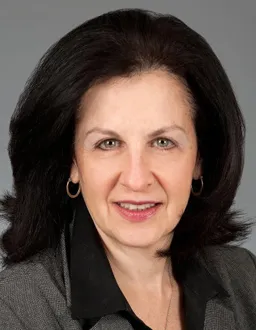
Assistant Professor of Psychology in the Department of Psychiatry, Harvard Medical School
Image
Melissa Freizinger, PhD

Melissa Freizinger, PhD

Associate Director, Eating Disorder Program
Assistant Professor of Psychology in the Department of Psychiatry, Harvard Medical School

Medical Services

Languages
English
Professional History

Dr. Freizinger has a 20-year background in clinical psychology with special expertise the treatment of eating disorders. She is currently the Associate Director of the Eating Disorder Program at Boston Children’s Hospital, where she provides consultation, evaluation, and/or behavioral therapy to children, adolescents and young adults. She specializes in Family Based Treatment and Dialectical Behavioral Therapy. Dr. Freizinger has also been involved in program development at three Boston-based eating-disorder treatment centers. She is a nationally known speaker and trainer in the areas of eating disorders, family-based treatment, and dialectical behavioral therapy approaches to individuals with eating disorders.

Her interest in eating disorders developed while working as a researcher and group clinician with women experiencing infertility at Beth Israel Deaconess Medical Center. It became evident to her that in order to work with women, she needed to understand eating disorders both clinically and emotionally from the patient’s experience. She began working at an eating disorder inpatient unit. Her work with women experiencing infertility and my interest in eating disorders resulted in my dissertation research, “The Prevalence of Eating Disorders in Infertile Women." Dr. Freizinger's work was published and has contributed to the knowledge in both the reproductive endocrinology and eating disorder fields.

Approach to Care
As I continued to work in the field of eating disorders, I realized the importance and urgency of treating patients who are newly diagnosed. As a result, I have shifted the focus of my work to the treatment of younger patients using Family Based Treatment. It is my belief that early intervention is key in the fight against eating disorders. We can help and empower families to attain the skills necessary to help their child fully recover. Through behavioral therapy, we can help patients and families see that full recovery is possible.

Publications

Frequency and Predictors of Shape/Weight Concerns and Objective Binge Eating in Avoidant/Restrictive Food Intake Disorder (ARFID). View Abstract
Neural Response to Food Cues in Avoidant/Restrictive Food Intake Disorder. View Abstract
Caregiver-Youth Agreement on the Nine-Item Avoidant/Restrictive Food Intake Disorder Survey. View Abstract
Growing up in a larger body: youth- and parent-reported triggers for illness and barriers to recovery from anorexia nervosa. View Abstract
Weight/Shape concerns in youth with Avoidant/Restrictive Food Intake Disorder (ARFID). View Abstract
Treatment adherence and nasogastric tube use in hospitalized youth with anorexia nervosa and premorbid overweight/obesity. View Abstract
Prospective 2-Year Course and Predictors of Outcome in Avoidant/Restrictive Food Intake Disorder. View Abstract
Associations between presenting weight and premorbid weight and the medical sequelae in hospitalized youth with anorexia nervosa or atypical anorexia nervosa. View Abstract
Triggers for eating disorder onset in youth with anorexia nervosa across the weight spectrum. View Abstract
Assessment of Patients With ARFID Presenting to Multi-Disciplinary Tertiary Care Program. View Abstract
Adolescents with anorexia nervosa or atypical anorexia nervosa with premorbid overweight/obesity: What should we do about their weight loss? View Abstract
Binge-eating behaviors in adolescents and young adults during the COVID-19 pandemic. View Abstract
Elevated Fasting Satiety-Promoting Cholecystokinin (CCK) in Avoidant/Restrictive Food Intake Disorder Compared to Healthy Controls. View Abstract
Atypical Anorexia in Youth: Cautiously Bridging the Treatment Gap. View Abstract
COVID-19 and eating disorder and mental health concerns in patients with eating disorders. View Abstract
Access to care and worsening eating disorder symptomatology in youth during the COVID-19 pandemic. View Abstract
Integrating Family-Based Treatment Principles in the Acute Inpatient Treatment of Adolescents with Restrictive Eating Disorders. View Abstract
Pediatric Nonsuicidal Self-Injury: A Call to Action for Inpatient Staff Training. View Abstract
Medical Education: Guidelines for Effective Teaching of Managing Challenging Patient Encounters. View Abstract
Medically Hospitalized Patients With Eating Disorders and Somatoform Disorders in Pediatrics: What Are Their Similarities and Differences and How Can We Improve Their Care? View Abstract
Binge-eating disorder: emerging treatments for a new diagnosis. View Abstract
Self-report of eating disorder symptoms among women with and without infertility. View Abstract
The prevalence of eating disorders in infertile women. View Abstract
The impact of group psychological interventions on distress in infertile women. View Abstract
Impact of group psychological interventions on pregnancy rates in infertile women. View Abstract