Michael Duyzend, MD, PhD
Attending Physician, Division of Genetics and Genomics
Instructor, Harvard Medical School
Image
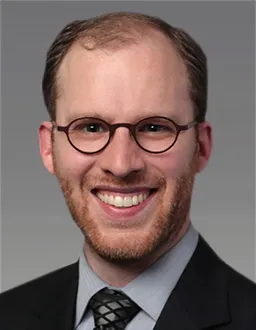
Michael Duyzend, MD, PhD
Attending Physician, Division of Genetics and Genomics
Instructor, Harvard Medical School
Medical Services
Languages
English
Education
Graduate School
Department of Genome Sciences
University of Washington
Seattle
WA
Medical School
University of Washington School of Medicine
Seattle
WA
Internship
Pediatrics
Boston Combined Residency Program (BCRP)
Boston
MA
Residency
Pediatrics/Medical Genetics
Boston Combined Residency Program (BCRP)
Boston
MA
Certifications
American Board of Medical Genetics and Genomics (Clinical Genetics)
American Board of Pediatrics (General)
Professional History
Dr. Michael Duyzend is an attending physician in the Division of Genetics and Genomics, with a special interest in prenatal and neonatal genetics. His research focuses on understanding genetics across the developmental continuum, from conception through infancy, and the development of methods to track and analyze genetic and clinical data longitudinally through this period. Dr. Duyzend strives to utilize genomic medicine in an expeditious, effective, just, reasoned, and sound manner.
Approach to Care
I am motivated by the potential of genomic medicine and driven by the success and challenges of unlocking the utility of genomics for all in an expeditious, effective, just, reasoned, and sound manner.
Publications
Advancing precision care in pregnancy through a treatable fetal findings list. View Abstract
GA4GH Phenopacket-Driven Characterization of Genotype-Phenotype Correlations in Mendelian Disorders. View Abstract
Routine Prenatal cfDNA Screening for Autosomal Dominant Single-Gene Conditions. View Abstract
Going Back in Time: Prenatal Presentations of Postnatal Genetic Diagnoses Made in a Neonatal Intensive Care Unit. View Abstract
Lethal phenotypes in Mendelian disorders. View Abstract
Improving prenatal diagnosis through standards and aggregation. View Abstract
Lethal phenotypes in Mendelian disorders. View Abstract
The Human Phenotype Ontology in 2024: phenotypes around the world. View Abstract
High-Resolution and Noninvasive Fetal Exome Screening. View Abstract
Beyond the exome: What's next in diagnostic testing for Mendelian conditions. View Abstract
Beyond the exome: what's next in diagnostic testing for Mendelian conditions. View Abstract
Prenatal phenotyping: A community effort to enhance the Human Phenotype Ontology. View Abstract
Severe, Recurrent Anemia in a 17-Year-Old Female. View Abstract
50 Years Ago in TheJournalofPediatrics: Billions of Genomes: Mosaicism in Turner Syndrome. View Abstract
50 Years Ago in TheJournalofPediatrics: Logic of Biochemical Discovery in Pompe Disease. View Abstract
Evaluating heterogeneity in ASD symptomatology, cognitive ability, and adaptive functioning among 16p11.2 CNV carriers. View Abstract
Genome sequencing identifies multiple deleterious variants in autism patients with more severe phenotypes. View Abstract
Longitudinal report of child with de novo 16p11.2 triplication. View Abstract
The birth of a human-specific neural gene by incomplete duplication and gene fusion. View Abstract
Emergence of a Homo sapiens-specific gene family and chromosome 16p11.2 CNV susceptibility. View Abstract
Maternal Modifiers and Parent-of-Origin Bias of the Autism-Associated 16p11.2 CNV. View Abstract
Genome Sequencing of Autism-Affected Families Reveals Disruption of Putative Noncoding Regulatory DNA. View Abstract
Genotype-first analysis of the 16p11.2 deletion defines a new type of "autism". View Abstract
Genomic studies in fragile X premutation carriers. View Abstract
A higher mutational burden in females supports a "female protective model" in neurodevelopmental disorders. View Abstract
Non-DNA-binding cofactors enhance DNA-binding specificity of a transcriptional regulatory complex. View Abstract
Synthesis and evaluation of substrate analogue inhibitors of trypanothione reductase. View Abstract