Popular Search Terms


What is fetal surgery?
Fetal surgery is surgical treatment performed on a developing fetus while in the womb (in utero). This specialized area of maternal-fetal care is critical for addressing certain life-threatening congenital abnormalities. In cases where postponing treatment until after birth could result in a reduced survival rate or increased morbidity, surgery during pregnancy becomes a vital option. Conditions such as spina bifida and twin-twin transfusion syndrome often require such an intervention.
Through the multidisciplinary collaboration and expertise of our fetal surgeons, cardiologists, neurosurgeons, urologists, and other dedicated specialists, our Fetal Care and Surgery Center is at the forefront of surgical care for the most delicate and intricate fetal conditions.
What are the types of fetal surgeries?
Generally, fetal intervention techniques are divided into three categories:
Needle-based procedures
Minimally invasive needle-based procedures have transformed prenatal care by providing effective diagnostic and therapeutic options for fetal conditions during pregnancy.
With needle-based diagnostic techniques, we can detect genetic disorders and chromosomal abnormalities early on, which helps empower informed decision-making and timely interventions. Treatment techniques can provide solutions for ongoing conditions, serve as a safer bridge to postnatal repair, or be the last resort for a fetus in distress.
These procedures are guided by ultrasound and are offered at the Fetal Care and Surgery Center by highly trained, compassionate professionals.
Fetoscopic surgery
Fetoscopic surgery is a minimally invasive procedure where surgeons use fiber-optic telescopes and specialized tools to access the uterus through small incisions, allowing them to address congenital malformations without the need for large cuts or removing the fetus from the womb.
Compared to traditional open surgery, fetoscopic surgery is gentler, causes less trauma, lowers the risk of premature labor, and allows vaginal birth in the index and future pregnancies.
Open fetal surgery
Surgeons perform a hysterotomy (an incision to open the uterus) to partially expose the fetus at the area requiring repair.
In some cases, surgery on the fetus is scheduled to happen at the same time as delivery. Surgery is done on the baby after a Cesarean section procedure but before the cord is cut so that the fetus is sustained by the placenta and doesn’t have to breathe on his own.
This method, known as an EXIT (ex utero intrapartum treatment), is usually used when the fetus suffers from a congenital defect that blocks the airway, such as a neck teratoma. EXIT gives surgeons time to perform multiple procedures to secure the fetus’ airway so that by the time the cord is cut and the newborn has to breathe, their airway is unblocked.
What conditions can be treated with fetal surgery?
The decision to perform fetal surgery is typically made on a case-by-case basis, considering factors such as the severity of the condition and the potential benefits and risks of the procedure. Fetal surgery is a highly specialized field performed by a team of experts in maternal-fetal medicine and pediatric surgery.
Conditions treated by fetal surgery include:
- Spina bifida: Fetal surgery can repair the opening in the fetus’ spine to reduce the risk of complications and improve the overall outcome.
- Monochorionic twin complications include twin-twin transfusion syndrome (TTTS), selective fetal growth restriction, twin anemia polycythemia sequence (TAPS), and twin reverse arterial perfusion (TRAP). In these cases, fetal surgery can correct hemodynamic imbalance and save the twins.
- Congenital diaphragmatic hernia (CDH): Fetal surgery can improve lung development in severe cases of CDH.
- Lower urinary tract obstruction (LUTO): Conditions like posterior urethral valves (PUV) can cause urinary tract obstruction in a fetus. Fetal surgery may help relieve this obstruction and improve lung development and overall outcome.
- Fetal pleural effusion: A shunt can be placed to drain critical levels of fluid accumulation around the fetal lungs and improve the outcome.
- Fetal lung mass: Fetal lung masses such as congenital pulmonary airway malformation (CPAM) or bronchopulmonary sequestration (BPS) may be treated with in utero surgery to prevent complications.
- Heart defects: Some congenital heart defects may be treated with fetal cardiac interventions, although these are less common.
- Sacrococcygeal teratoma (SCT): This rare tumor develops near the base of the tailbone in a fetus. Fetal surgery may be able to improve neonatal outcomes.
- Amniotic band syndrome: In cases where fibrous bands in the amniotic fluid threaten the fetus’ limbs or other body parts, fetal surgery may be able to release the bands.
What are the risks of fetal surgery?
Before undergoing fetal surgery, it’s important to understand the risks associated with the procedure that your doctor has recommended.
The most significant risks of open fetal surgery include:
- Premature preterm rupture of membranes
- Preterm labor
- Bleeding
- Infection
After fetal surgery, both you and the fetus are monitored closely either in the hospital or in an outpatient setting. You may receive medications to control pain or to control and prevent preterm labor.
Fetal surgery also poses risks to the health of the fetus, but these risks are usually outweighed by the benefit of surgery since surgery is usually performed to save the fetus’ life or to have an increased improvement in function.
Be sure to discuss any risks of surgery fully with your doctor.

August 14, 2024
Un hito en la Costa Este: El bebé Isaac está evolucionando después de una reparación fetoscópica por minilaparotomía de espina bífida abierta
Isaac Suardi aún no lo sabe, pero ya ha hecho historia. Recién nacido en julio, es el primer bebé en la Costa Este en someterse a una reparación quirúrgica fetoscópica por minilaparotomía de un…

August 12, 2024
Baby Isaac is thriving after an East Coast first for a neural tube defect
Isaac Suardi doesn’t know it yet, but he’s already made history. Just born in July, he’s the first baby on the East Coast to undergo mini-laparotomy fetoscopic surgical repair of a neural tube defect…
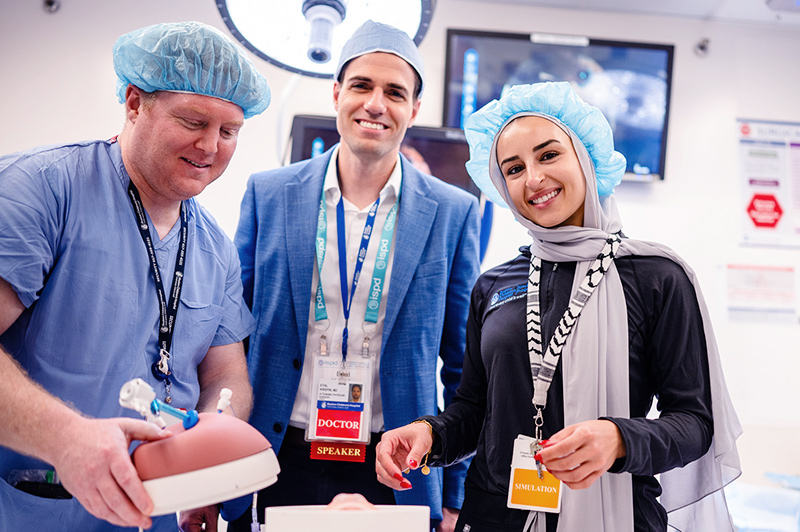
August 8, 2024
‘Zero place for mistakes’: Taking fetal surgery to the next level with simulation
The highly complex interventions involved in fetal surgery require exceptional skill, training, and experience. Beyond the procedures themselves, these surgical scenarios depend on the ability of…
Practitioners Who Specialize In This Condition (9)

Alireza Shamshirsaz, MD
Chief, Division of Maternal-Fetal Medicine and Surgery; Director, Fetal Care and Surgery Center; Director, Perinatal Surgery Fellowship
Professor of Surgery; Professor of Obstetrics and Gynecology and Reproductive Biology, Harvard Medical School


Ayumi Maeda, MD
Attending Anesthesiologists, Department of Anesthesiology, Critical Care and Pain Medicine
Instructor of Anesthesia, Harvard Medical School
