Popular Search Terms
Practitioners Who Specialize In This Condition (3)
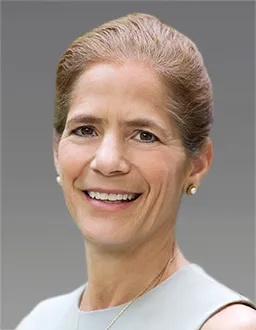
Anne Hansen, MD, MPH
Medical Director, Neonatal Intensive Care Unit (NICU); Physician in Medicine and Associate Chief, Division of Newborn Medicine
Professor of Clinical Pediatrics, Harvard Medical School

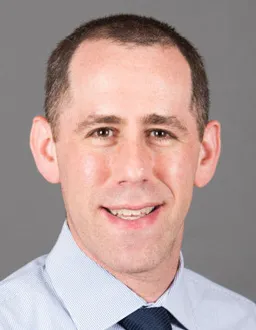
Philip Levy, MD
Physician in Medicine, Division of Newborn Medicine
Associate Professor of Pediatrics, Harvard Medical School
