Popular Search Terms


What is polydactyly?
Polydactyly is a condition in which a baby is born with one or more extra fingers. It is a common condition that often runs in families. The extra fingers are usually small and abnormally developed.

Polydactyly is one of the most common congenital (present at birth) hand abnormalities. About one out of every 500 to 1,000 babies are born with the condition, usually with only one hand affected. Black children are more likely to have an extra little finger, while Asian and white children are more likely to have an extra thumb.
Symptoms & Causes
What are the symptoms of polydactyly?
Your child’s doctor will know by sight that your baby’s hand has an extra finger.
The extra fingers are usually small and abnormally developed and can be made up of:
- Skin and soft tissue
- Skin, soft tissue, and bone but no joint
- Skin, soft tissue, and bone with a joint
The extra fingers can be located:
- On the small finger side — most common
- On the thumb side, also called thumb duplication — less common
- In the middle of the hand — least common
What causes polydactyly?
As a baby develops in their mother’s womb, the hand first forms in the shape of a paddle and later divides into separate fingers. If this process continues a bit longer than usual, a single finger divides again, creating an extra finger.
For many children with polydactyly, the extra division seems to happen with no clear cause. For other children, it may be a genetic (inherited) trait. Polydactyly may also occur as part of a medical syndrome.
Diagnosis & Treatments
How is polydactyly diagnosed?
Polydactyly can be seen by ultrasound during pregnancy and by eye at birth. Once your child is born, X-rays will help their doctor see the underlying structure of your baby’s fingers and determine a course of treatment.
How is polydactyly treated?
The most common treatment for polydactyly is removing the extra finger. This typically occurs when a child is between 1 and 2 years old. At this age, children are young enough not to miss developmental milestones, such as grasping for objects, but old enough to better tolerate anesthesia and surgery.
The method used to remove an extra finger depends on the location and size of the finger:
- Removing an extra little finger can be fairly simple if the extra finger is connected to the rest of the hand by only a small skin bridge. The extra digit is clipped or tied right where it joins the hand, and it will then shrivel and fall off over a period of about two weeks, similar to how the umbilical cord is clipped at birth.
- If the extra finger is more fully developed, your child may benefit from a surgery to remove the extra finger. This is typically done when a child is between 1 and 2 years old. This surgery can range from a simple procedure to remove the extra little finger to more complex procedures (for thumbs and central fingers). Sometimes more than one surgery is needed.
After surgery, your child may wear a bulky bandage or cast for a few weeks and have physical or occupational therapy to help with scarring, stiffness, and swelling. They may have follow-up visits to check on how their hand is healing and moving.
What is the long-term outlook for polydactyly?
Most patients treated for polydactyly recover full hand function and improved appearance of their hand.
Your child may need to be followed for several months or years to:
- Ensure that their hand is healing well
- Check that they are regaining full function of their hand
- Determine whether additional surgery would further improve the function or appearance of the hand as your child grows
How we care for polydactyly at Boston Children’s Hospital
The Orthopedics and Sports Medicine Department’s Hand and Orthopedic Upper Extremity Program and our Department of Plastic and Oral Surgery’s Hand and Reconstructive Microsurgery Program have treated thousands of babies and children with polydactyly and other hand problems. We are experienced treating conditions that range from routine to highly complex, and can provide your child with expert diagnosis, treatment, and care. We also offer the benefits of some of the most advanced clinical and scientific research in the world.
Our Orthopedics and Sports Medicine Department is nationally known as the preeminent center for the care of children and young adults with a wide range of developmental, congenital, neuromuscular, sports related, traumatic, and post-traumatic problems of the musculoskeletal system.
Our Department of Plastic and Oral Surgery is one of the largest and most experienced pediatric plastic and oral surgery centers anywhere in the world. We provide comprehensive care and treatment for a wide variety of congenital and acquired conditions, including hand deformities.
Practitioners Who Specialize In This Condition (7)
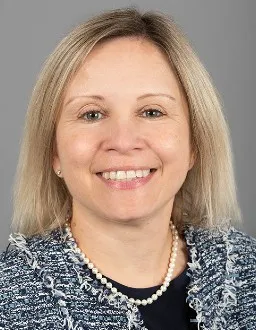
Andrea Bauer, MD
Orthopedic Surgeon, Orthopedics and Sports Medicine Department; Director, Brachial Plexus Program; Director, Faculty Development; Co-School Physician, Berklee
Associate Professor of Orthopedic Surgery, Harvard Medical School

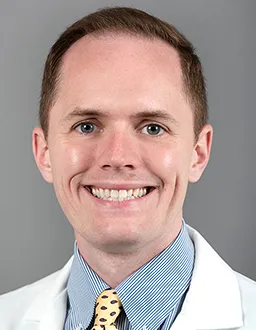
Benjamin Gundlach, MD
Orthopedic Surgeon, Orthopedics and Sports Medicine Department
Instructor of Orthopedic Surgery, Harvard Medical School
