
Contact Us
Contact the Hand and Orthopedic Upper Extremity Program
617-355-6021
International
+1-617-355-5209
The Hand and Orthopedic Upper Extremity Program at Boston Children’s Hospital provides comprehensive care for infants, children, adolescents, and young adults with a wide range of injuries of the hand, wrist, arm, elbow, and shoulder. Whether your child has a congenital condition, sports injury, trauma, or a complex issue that requires a variety of specialists, we have the expertise and resources to tailor care to your child’s needs.
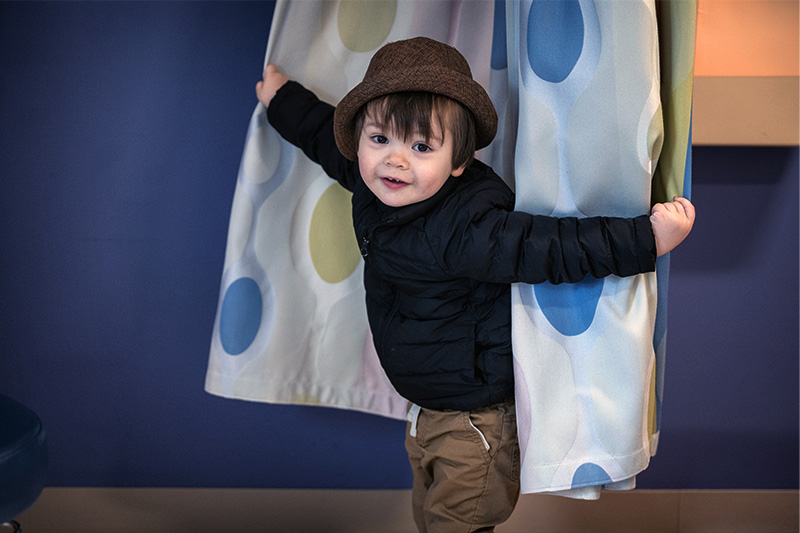
Beckett Stone-Lyman is an adorable, fun 2-year-old who loves to run, sprint, and climb. If he’s not charging around the playground, he’s probably doing a pirate puzzle. Or maybe he’s staring at his…
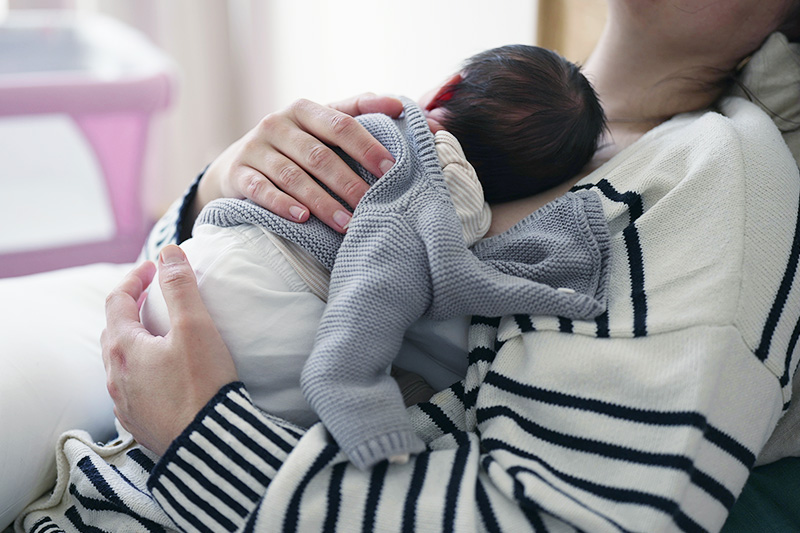
About one in 1,000 children are born with brachial plexus birth injury (BPBI), upper extremity weakness or paralysis resulting from trauma to the brachial plexus nerves during childbirth. Most…

Gymnasts can create the illusion that gravity doesn’t exist. As they spring from one acrobatic skill into the next, they leave spectators little time to consider the strain they’re putting on their…
We are a referral center for patients with significant hand and upper limb issues. Physicians from around the world refer their patients to our program for our combination of expertise, resources, and the large number of difficult cases we treat.
We care for more than 6,600 patients and perform more than 1,500 surgeries each year. All of the surgeons on our hand and orthopedic upper extremity team have dual fellowships in pediatric orthopedics and hand surgery, augmented by many years of experience.
Just as importantly, we specialize in treating children at various ages and stages of development. On a physical level, we focus on our patients’ healthy growth throughout childhood and adolescence. Every time we make a treatment decision, we take each patient’s age, stage of growth, and the potential impact on their future growth into account. On an emotional level, we strive to help patients accept themselves as they are in order to foster confidence and independence.
Our team includes:
We are unique for our depth of expertise and the wide range of conditions we treat. Our program is the first — and remains one of the only pediatric programs in the U.S. to combine expertise in hand and upper limb conditions.
In addition:
Whether a child has a straightforward injury or a complex condition that requires multiple specialists, our goal is the same: to provide the care, expertise, and support our patients need to live the fullest, most independent lives they can. To this end, we also work to connect parents with other families whose children are living with similar conditions.
We treat the full spectrum of hand and upper extremity conditions, including:
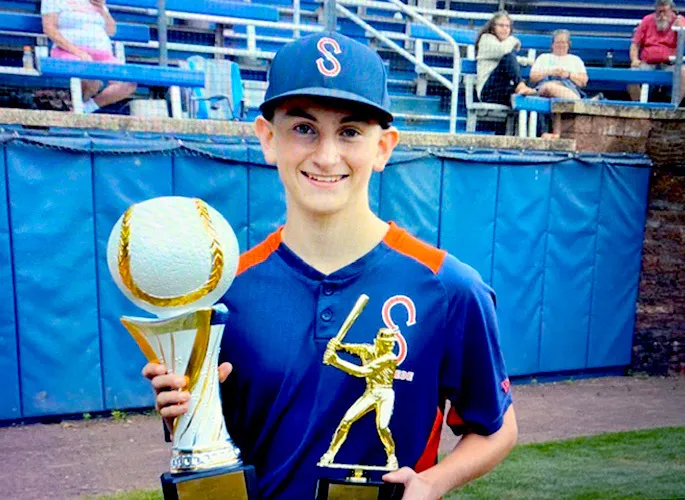
“We live four hours away, but it was worth it to find a doctor with experience treating this kind of fracture.”
Our clinical specialties include:
Much of the knowledge and many of the innovations used around the country were developed at Boston Children’s by specialists in the Hand and Orthopedic Upper Extremity Program. For instance:
Our Orthopedic Clinical Effectiveness Research Center publishes an average of 200 papers in peer-reviewed journals each year. We have also established national registries that enable researchers around the globe to conduct multi-center studies of patient care and outcomes in order to further advance the field of hand and upper extremity care. One such registry, the Congenital Upper Limb Difference (CoULD) Registry, includes preoperative children from 0 to 18 years of age with congenital upper extremity differences.
We are good at what we do. Our program combines unmatched expertise in hand and upper extremity care with a support structure of renowned experts and resources. Together, we treat thousands of patients each year for a broad range of hand and upper extremity issues.
In short, we provide world-class expertise with psychosocial support from a broad range of professionals all focused on a shared goal: achieving the highest possible level of function, independence, and self-confidence for each of our patients.
Our experts have created a series of downloadable guides that cover different types of hand and upper limb conditions, symptoms, diagnosis, and treatments.
Study: Children with upper limb differences have better emotional health
In a study of almost 600 CoULD patients, children with congenital hand differences had decreased upper limb function but better peer relationships and better emotional wellbeing compared to the general population.