

Contact Us
Contact the Bone and Soft Tissues Tumor Program through Boston Children’s Orthopedic Center
617-355-6021
International
+1-617-355-5209
Limb-salvage surgery is a surgical option for children with a malignant tumor in a long bone of their leg or arm.
Limb-salvage surgery helps preserve the limb by removing the part of the bone involved with the tumor and some of the tissues that surround it. The bone is replaced with an implant, which can be either a bone graft or a metal prosthesis.

After receiving a bone cancer diagnosis, these families had to decide which life-changing surgical procedure they would have to remove the tumor.
Limb-salvage surgery is part of the treatment for osteosarcoma or Ewing sarcoma. The goal of limb-salvage surgery is to preserve as much of the limb as possible. However, the arm or leg will never be as strong as it was before surgery. Children who have this surgery will not be able to participate in high-impact sports using the affected limb.
There are three main categories of implants used as part of limb-salvage surgery:
Expandable prosthesis overview
An expandable prosthesis may be a good choice for children most likely to develop a difference of two centimeters or more in the length of their limbs as one grows and the other does not. Generally, this includes girls between the ages of 8 and 12 and boys between 8 and 14.
If a child is too young, the implant may not set properly in their developing bones. The prosthesis can also only be extended a certain amount, based on how much bone it is replacing. Therefore, an expandable prosthesis may not have enough growth potential for a very young child. In some cases, it is possible to use a bone graft from the child’s body, such as the small bone in the calf (fibula), to replace a bone that has to be removed.
If a child is already close to fully grown, a traditional, non-expanding rod may be a better option. If they develop a small difference in leg length, they can wear shoe inserts to compensate.
Lengthening an expandable prosthesis is a non-surgical procedure. The child lays on an exam table and places their limb inside a magnetized device that extends the prosthesis.
Limbs are typically lengthened up to 5 millimeters at a time, about the width of a pencil’s eraser. Lengthening the limb in small amounts gives the muscles and tissues around the rod a chance to adapt. The limb may feel stiff for a day or two after the procedure, but this usually goes away quickly. How often the child will have their limb lengthened depends on their rate of growth. During growth spurts, they may have to have their limb lengthened more often.
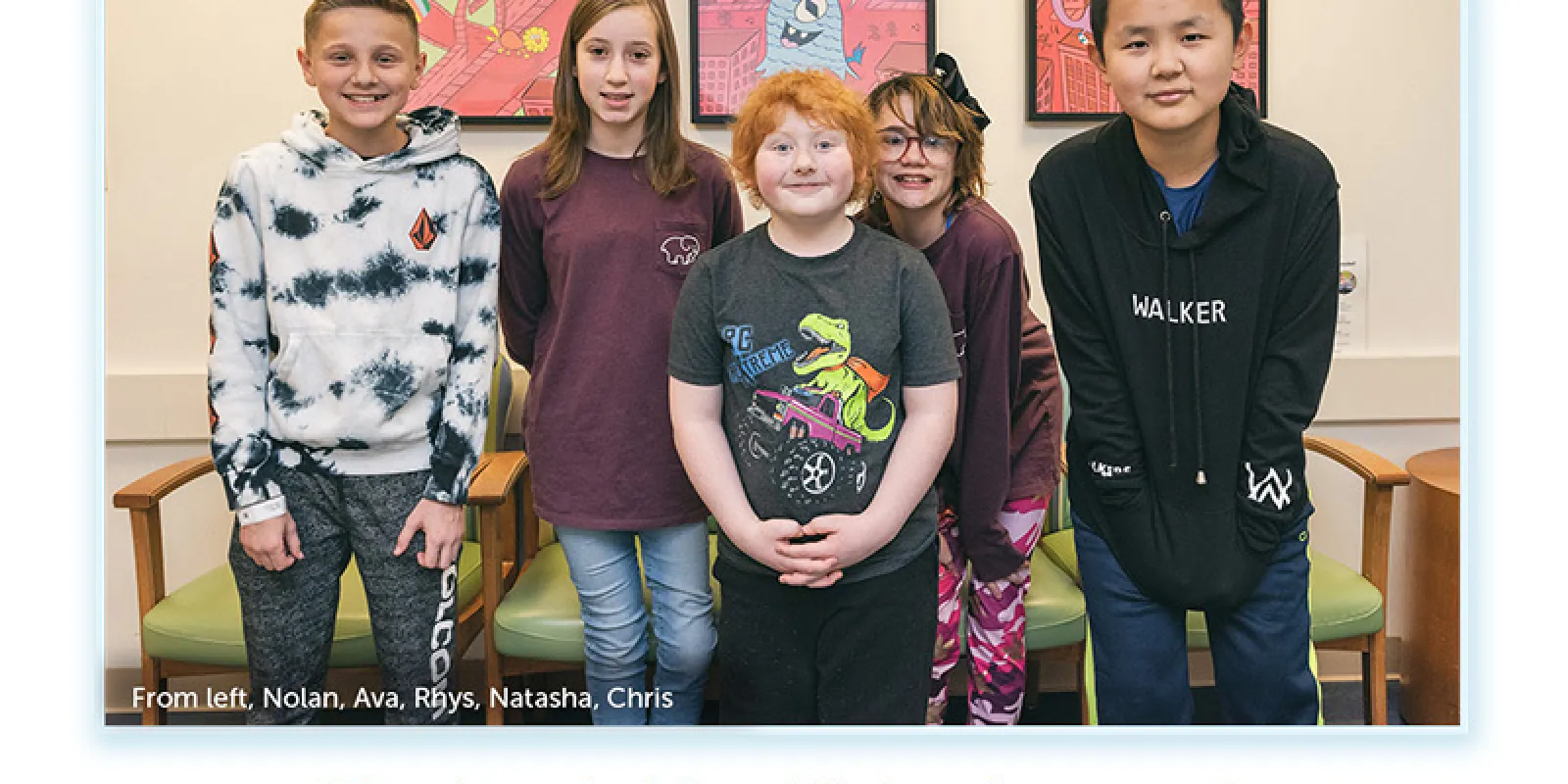
They all had a cancerous tumor on a bone in their leg. As part of their treatment, they had limb-salvage surgery.
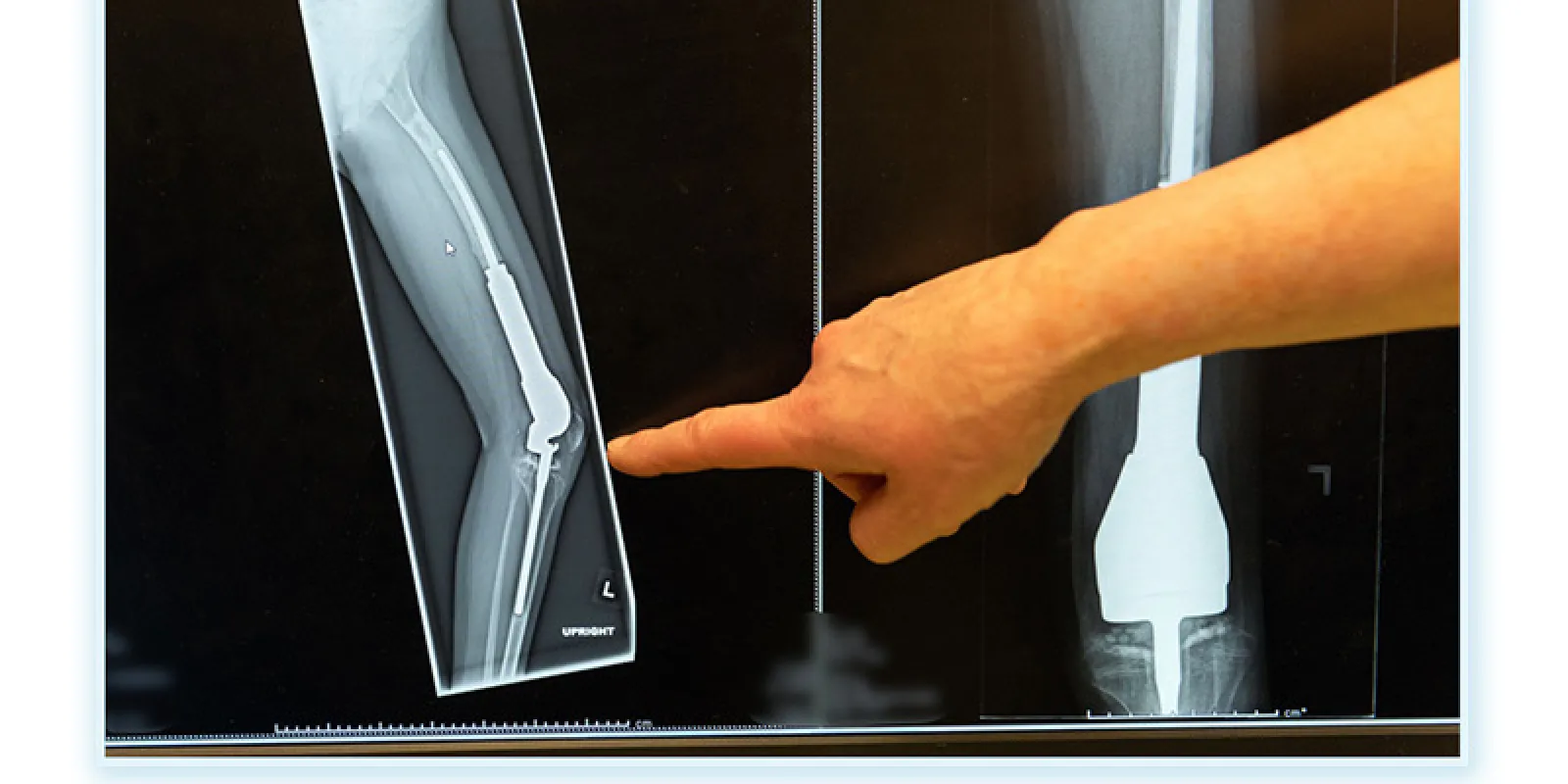
Limb-salvage surgery preserves an arm or leg by replacing cancerous bone with an expandable prosthesis.
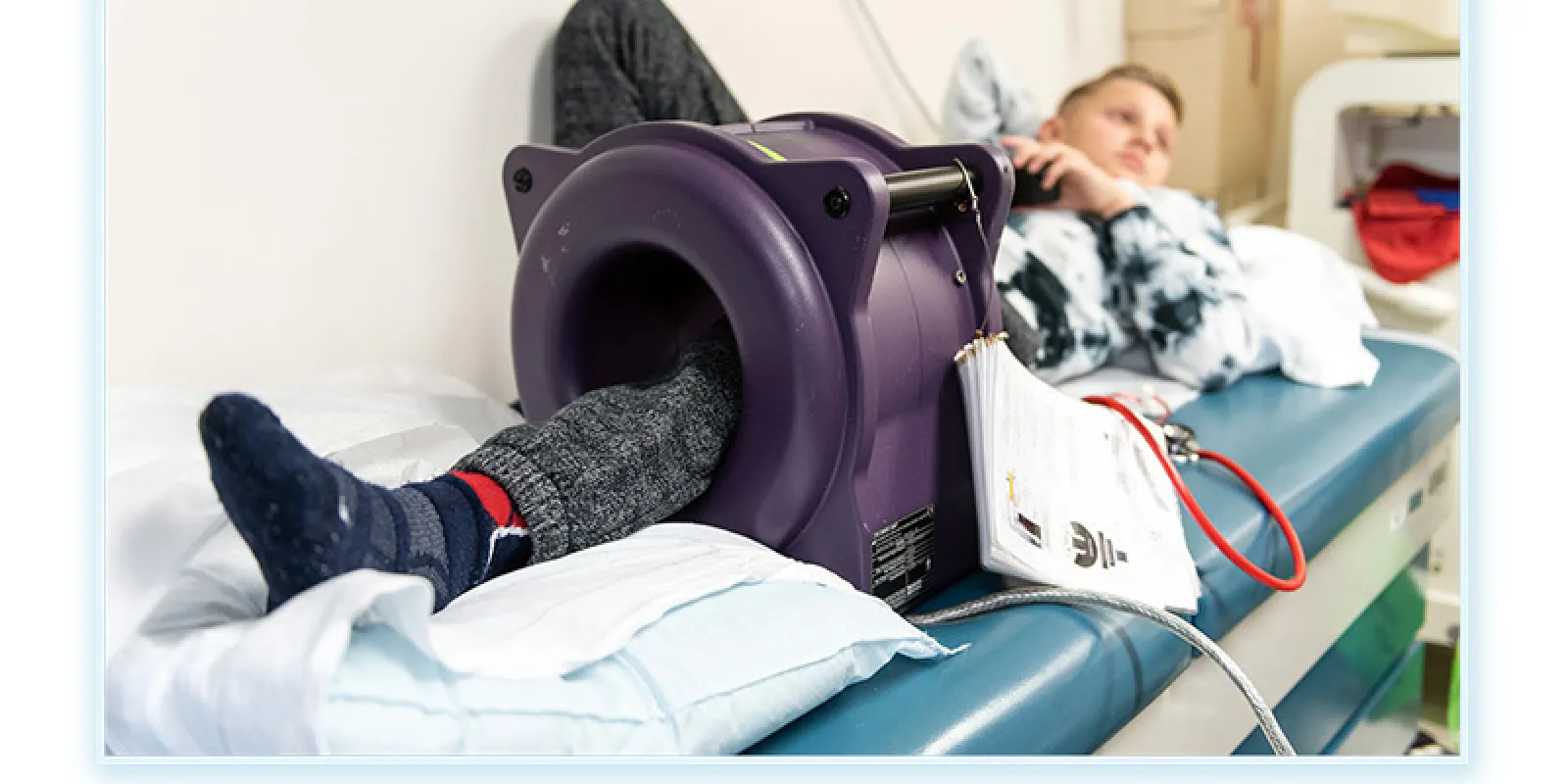
The expandable prosthesis can grow as a kid grows. Here, Nolan rests while a large magnet lengthens the prosthesis inside his leg.
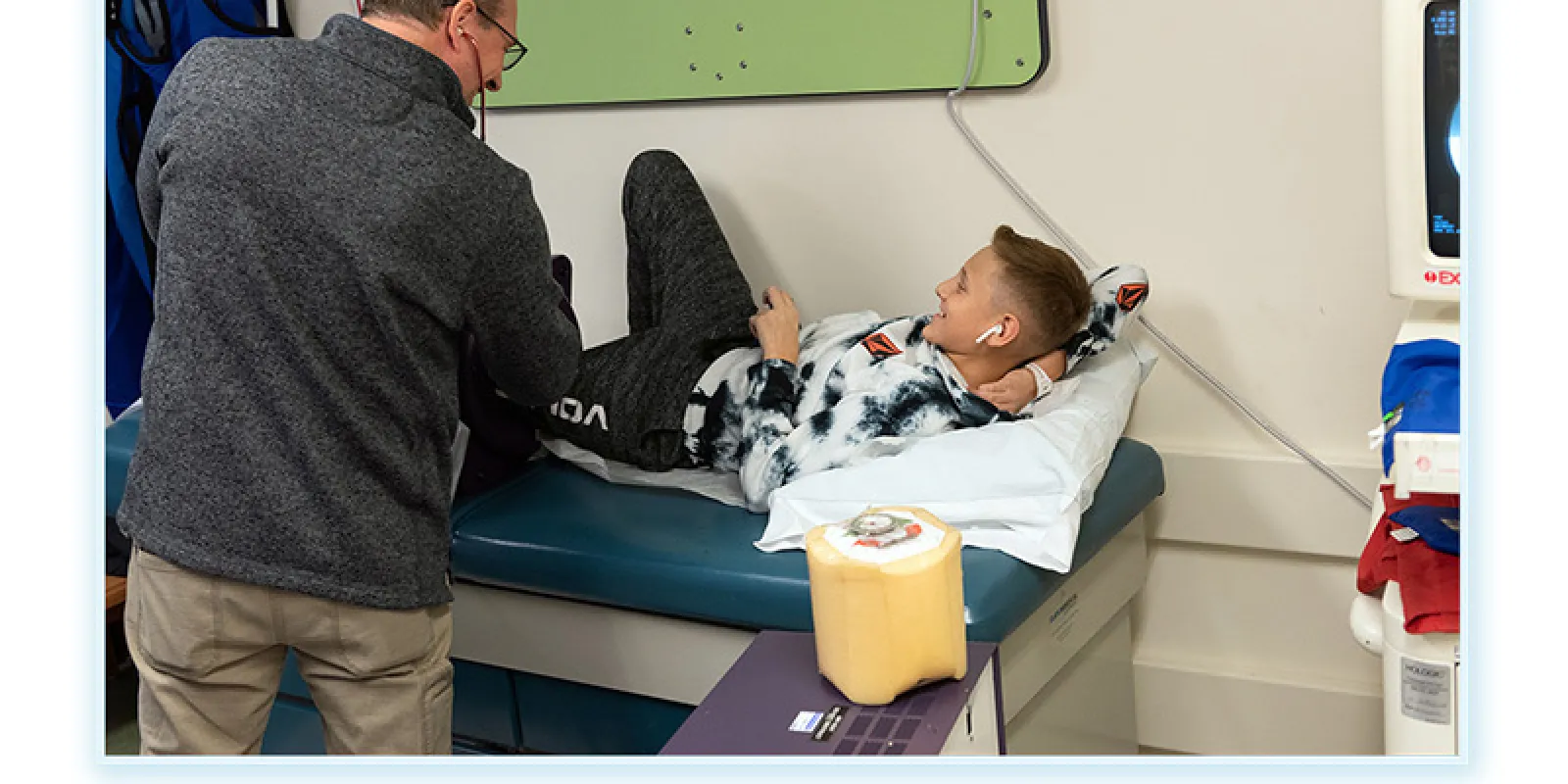
Nolan's dad listens through a stethoscope as Nolan's leg grows about 5 millimeters, about as long as a pencil is wide.

Nolan and the other patients will continue to have their legs lengthened at Dana-Farber/Boston Children's Cancer and Blood Disorders Center until they finish growing.
Most children have chemotherapy for 11 to 14 weeks before they have surgery. Chemotherapy uses medications to stop the growth of cancer cells and typically begins soon after a child is diagnosed with bone cancer. Because it is important for children with malignant tumors of the bone to get the full doses of the medications, chemotherapy treatments continue after the surgery.
Chemotherapy can temporarily slow a child’s growth. However, most children start growing again after their treatment is completed.
Limb-salvage surgery may permanently stop further growth in the affected limb. This depends on the size of the tumor and how close it is to growth plates, the ends of the bones where new bone grows. The surgeon will make every attempt not to disturb the growth plates on either end of the bone, but this is not always possible.
Whether or not limb-salvage surgery is a good option for a child depends on several factors, including their age and stage of development. Surgeons also consider the size and location of the tumor. If the tumor is large or has spread into the knee, amputation may be the safest choice.
On a personal level, families need to consider the child’s interests, personality, and types of activities they enjoy now and may want to do in the future. Limb-salvage surgery may not be the best option for highly active kids who love high-impact sports. After limb-salvage surgery, they will be limited to activities that don’t put the bone or prostheses at risk of damage.
Pros: Limb-salvage surgery allows a child with a malignant bone tumor to keep their full limb. They will have a scar from the surgery and usually smaller muscles but otherwise, the limb will look much like their other, healthy limb. After recovering from surgery, the child will be able to use their arm or leg for low-impact activities like walking, swimming, or riding a bike.
Cons: The salvaged limb can wear out over time. Someone who chooses limb-salvage surgery will need to be monitored by an orthopedic specialist throughout their lives. They may need more surgery if the prosthesis wears out, becomes infected, or breaks.
Rotationplasty preserves the lower leg and rotates it so the ankle will function as a knee. The child will use a prosthetic lower leg to walk, run, and play.
Amputation removes the limb from above the tumor site.
Limb-salvage surgery is a major operation with a long recovery period. The continuation of chemotherapy after surgery also prolongs the recovery period. Most kids start good physical therapy about four to six months after the surgery. It generally takes about a year for a child to walk well without crutches after the procedure.
Dana-Farber/Boston Children's Cancer and Blood Disorders Center pioneered limb-salvage surgery in 1977. We continue to be a center of excellence in surgeries for children with malignant tumors of the bone. Ours is one of the few centers in the United States with surgeons who specialize in limb-salvage surgery and rotationplasty. The expertise we’ve gained through hundreds of these complex surgeries translates into better outcomes for our patients.
We collaborate with hospitals around the region and the world to care for children and young adults with osteosarcoma and Ewing sarcoma. Many of our patients from out of state have chemotherapy at a participating hospital near their home and travel to Boston for the surgery. If they have an expandable prosthesis, they then return to Boston approximately twice a year to have their prosthesis lengthened.